From “Autonomous Driving Pilot Company” to “Autonomous AI Company Proven on the Road”
Connecting real-world driving experience and technical expertise to the commercial potential of robotaxis and autonomous trucks.
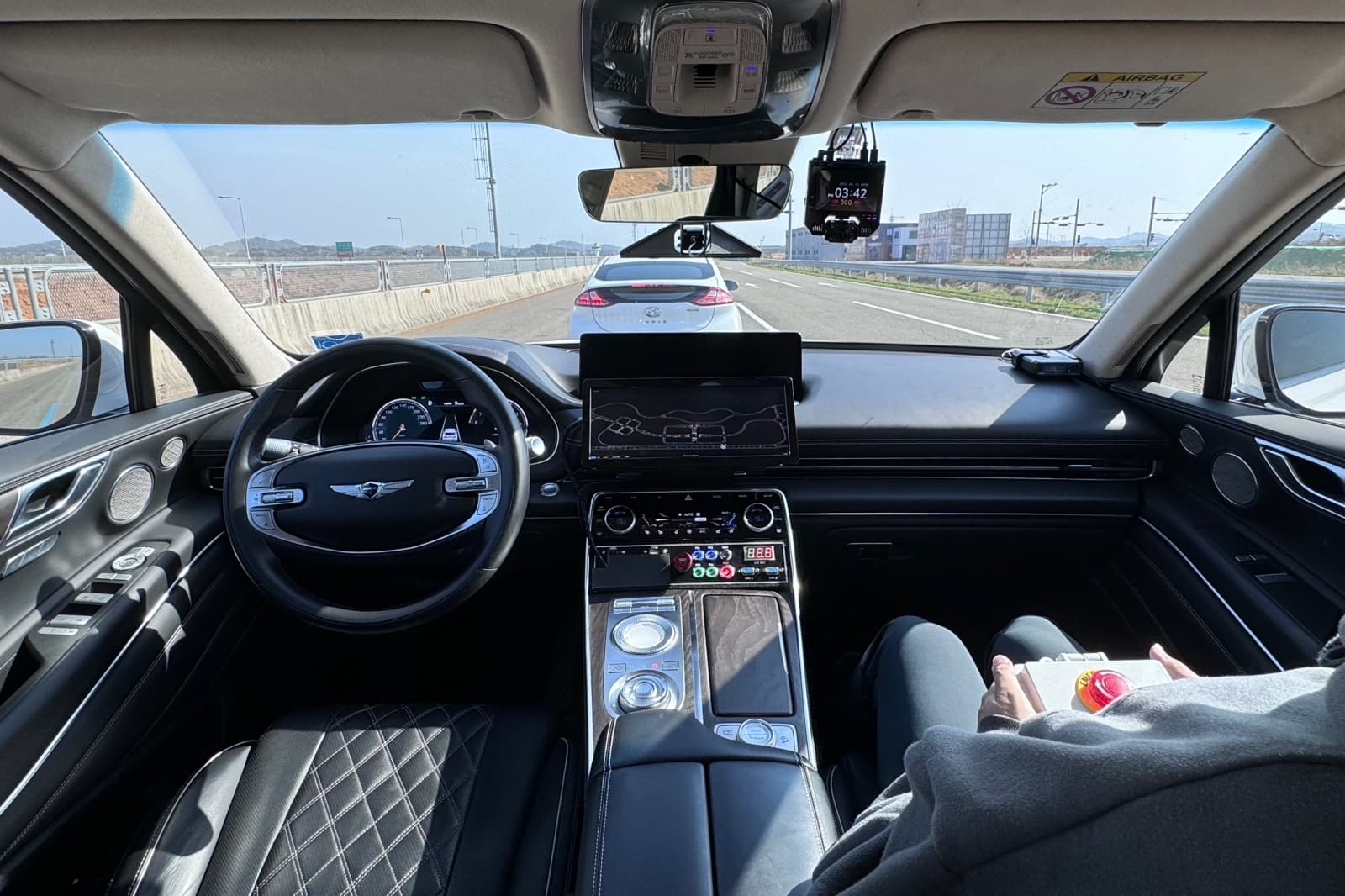
Summary
In autonomous driving, what matters is not simply demonstrating the technology, but proving that it can operate safely and reliably on complex real-world roads—and ultimately deliver commercial value.
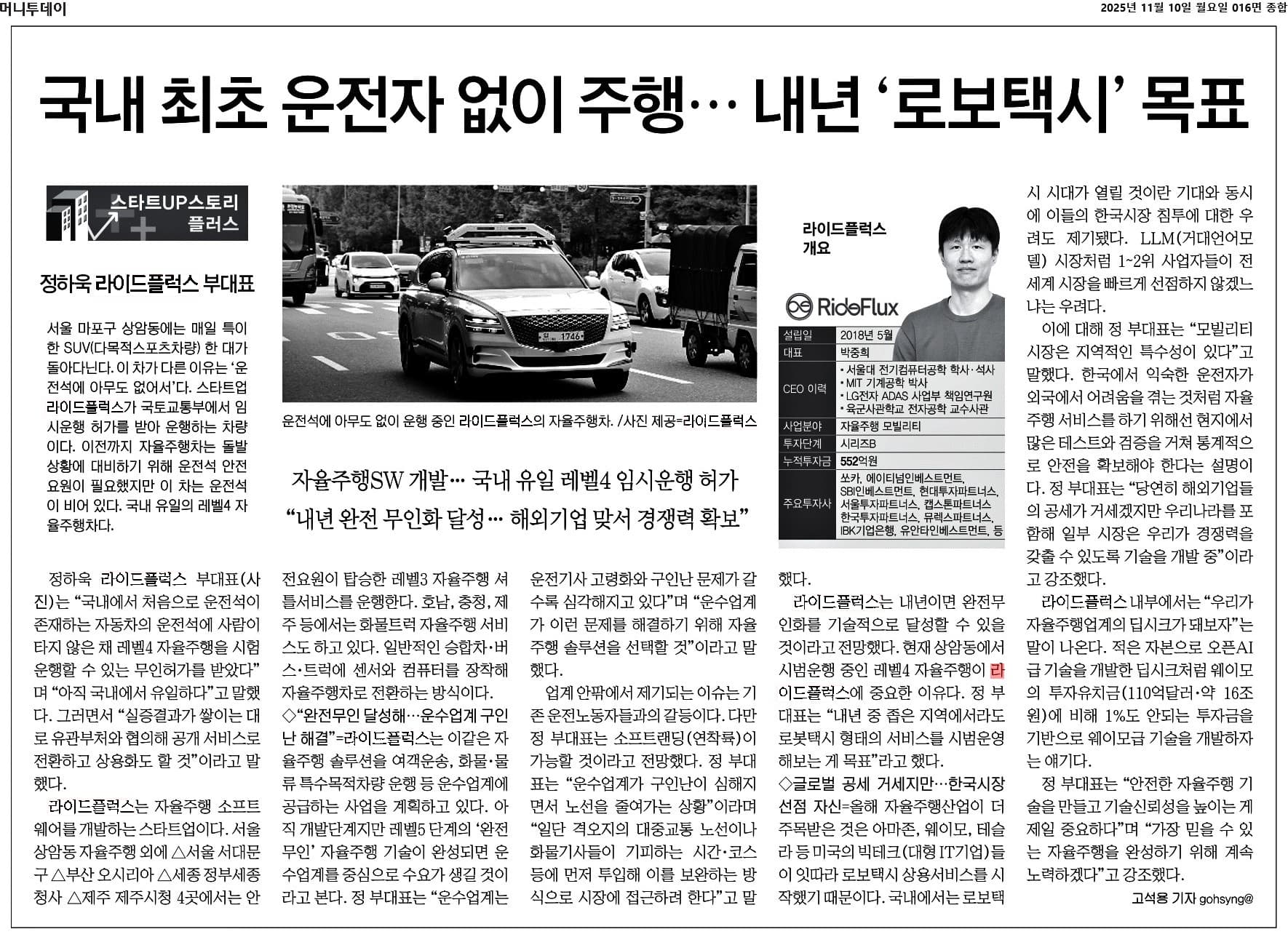
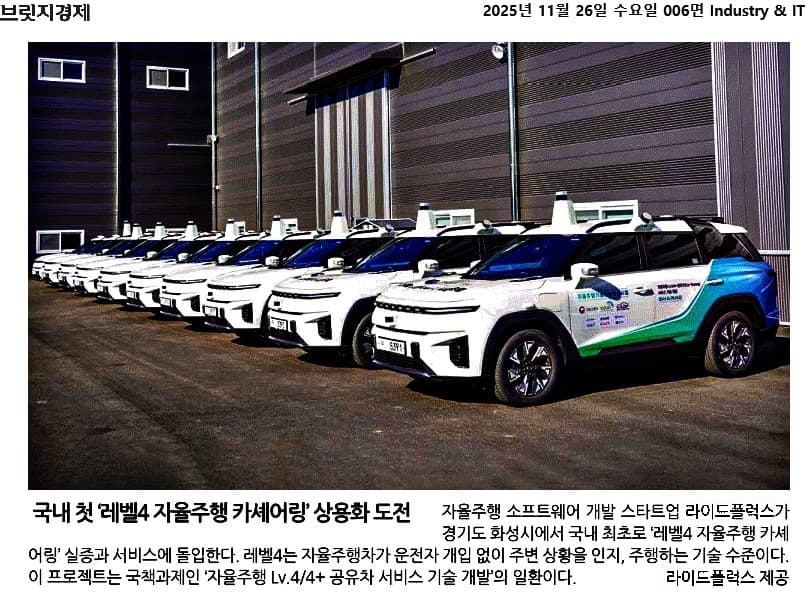
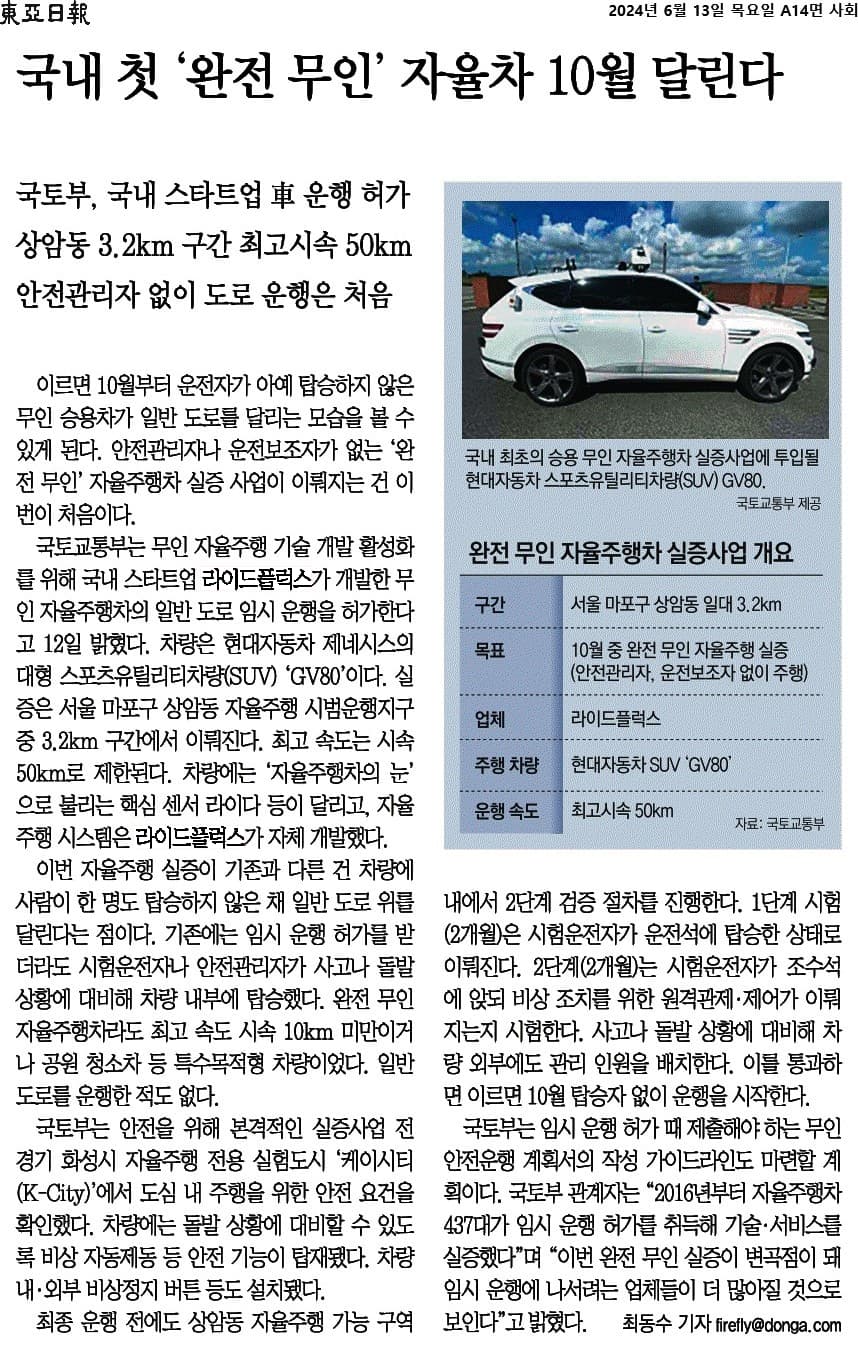
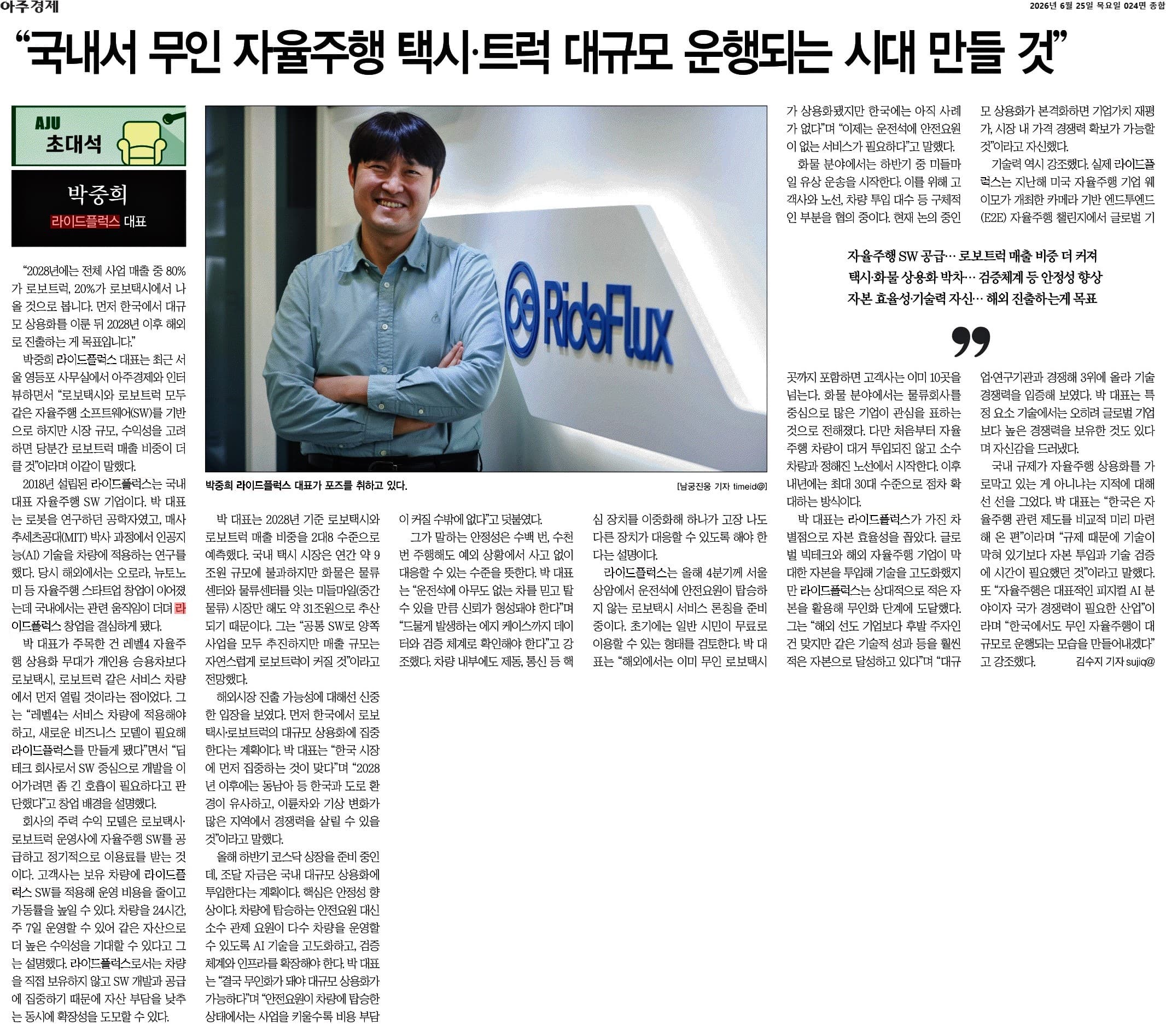
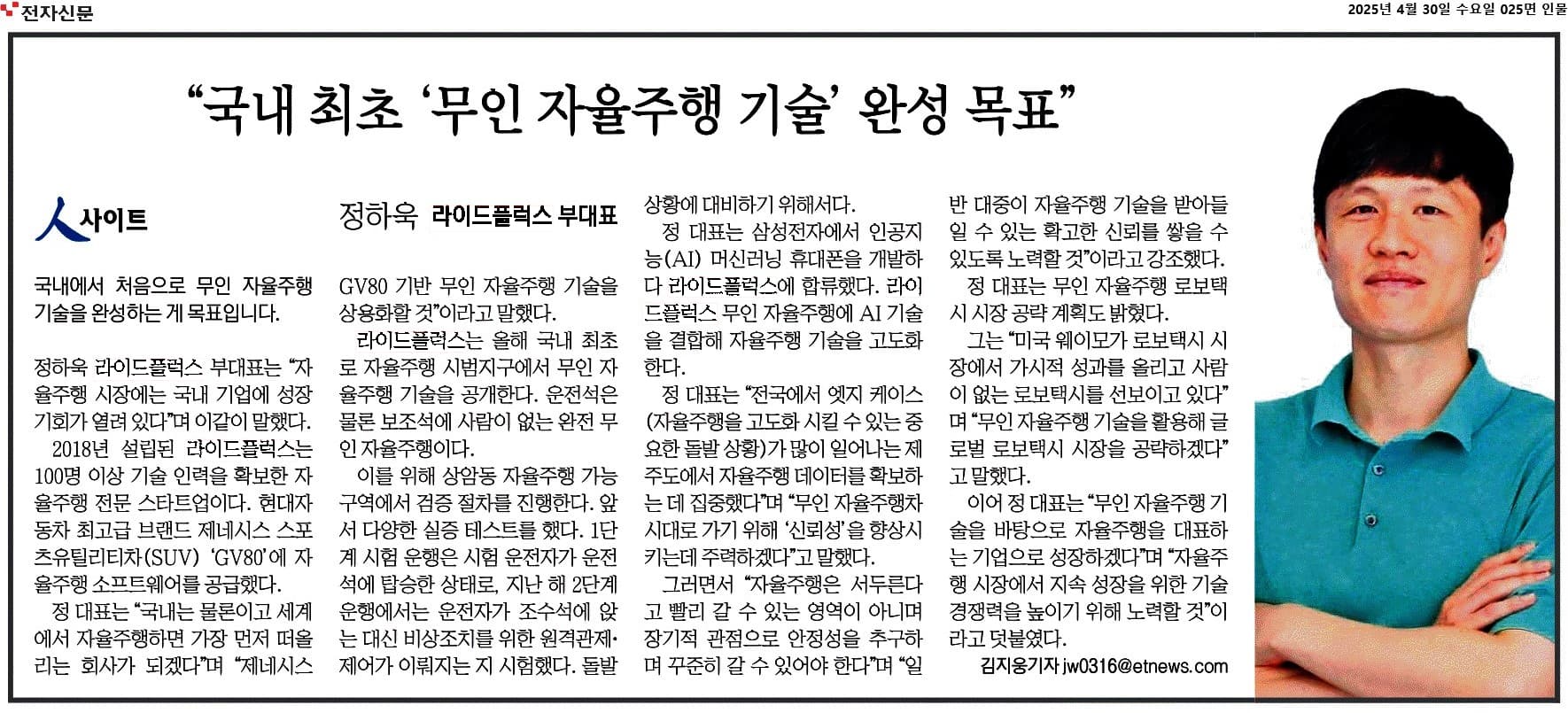
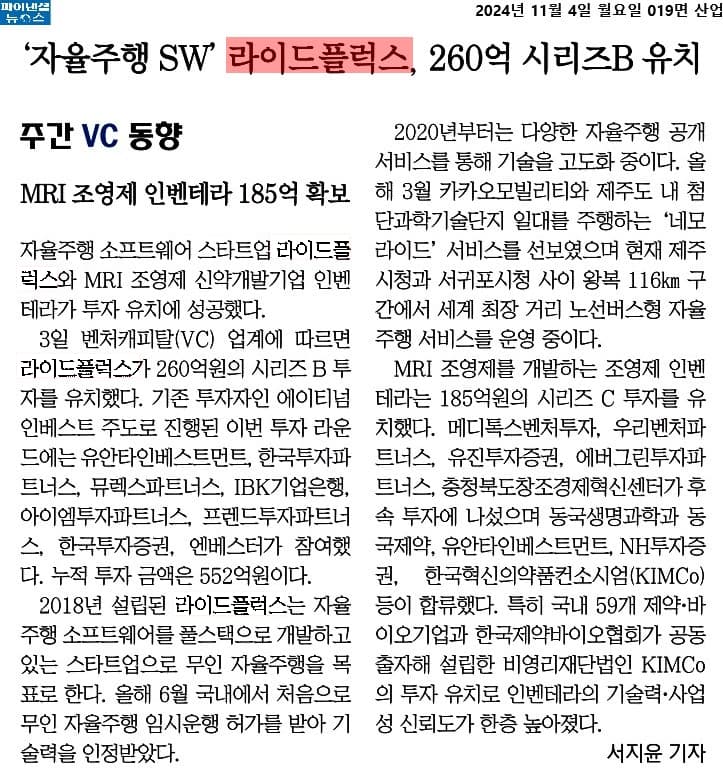
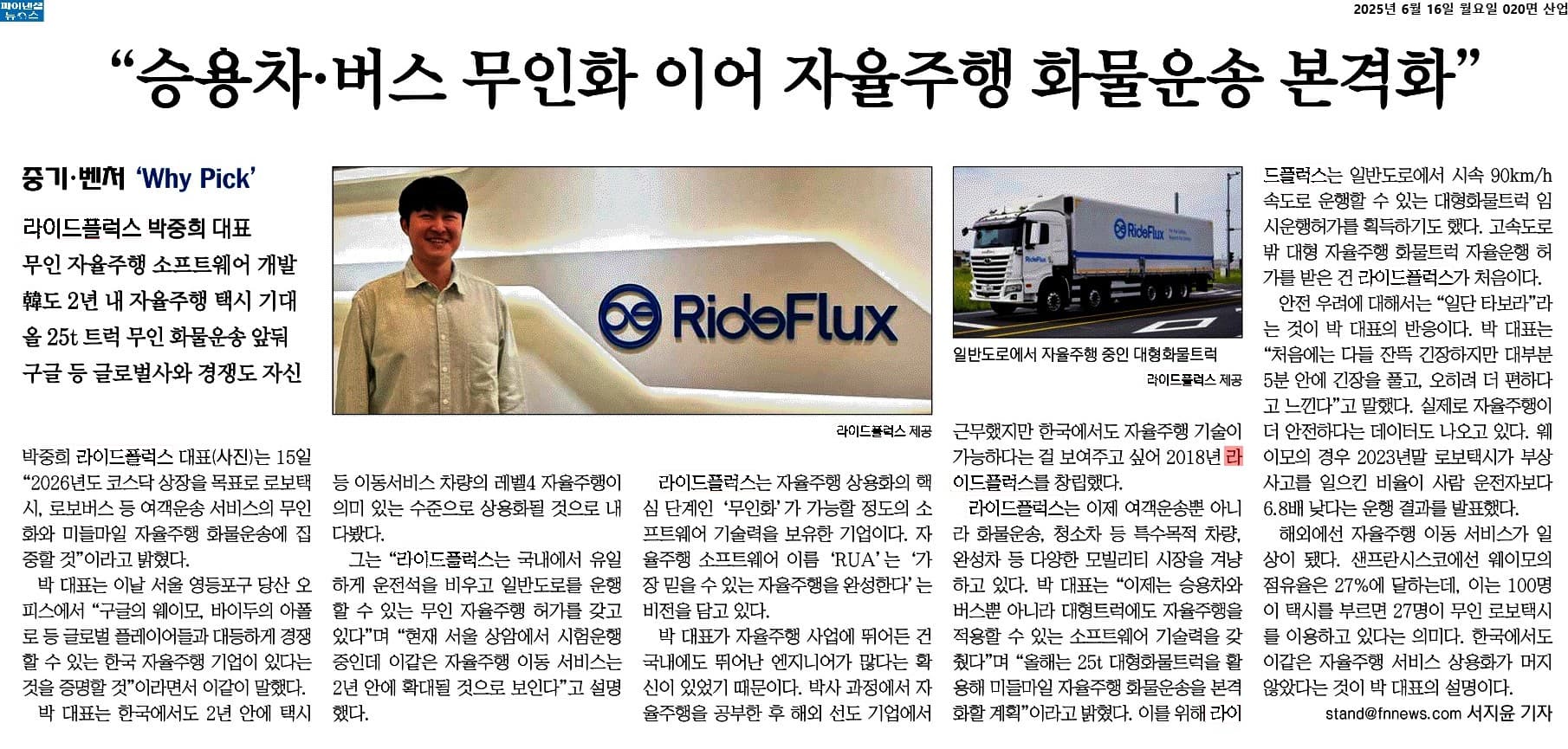
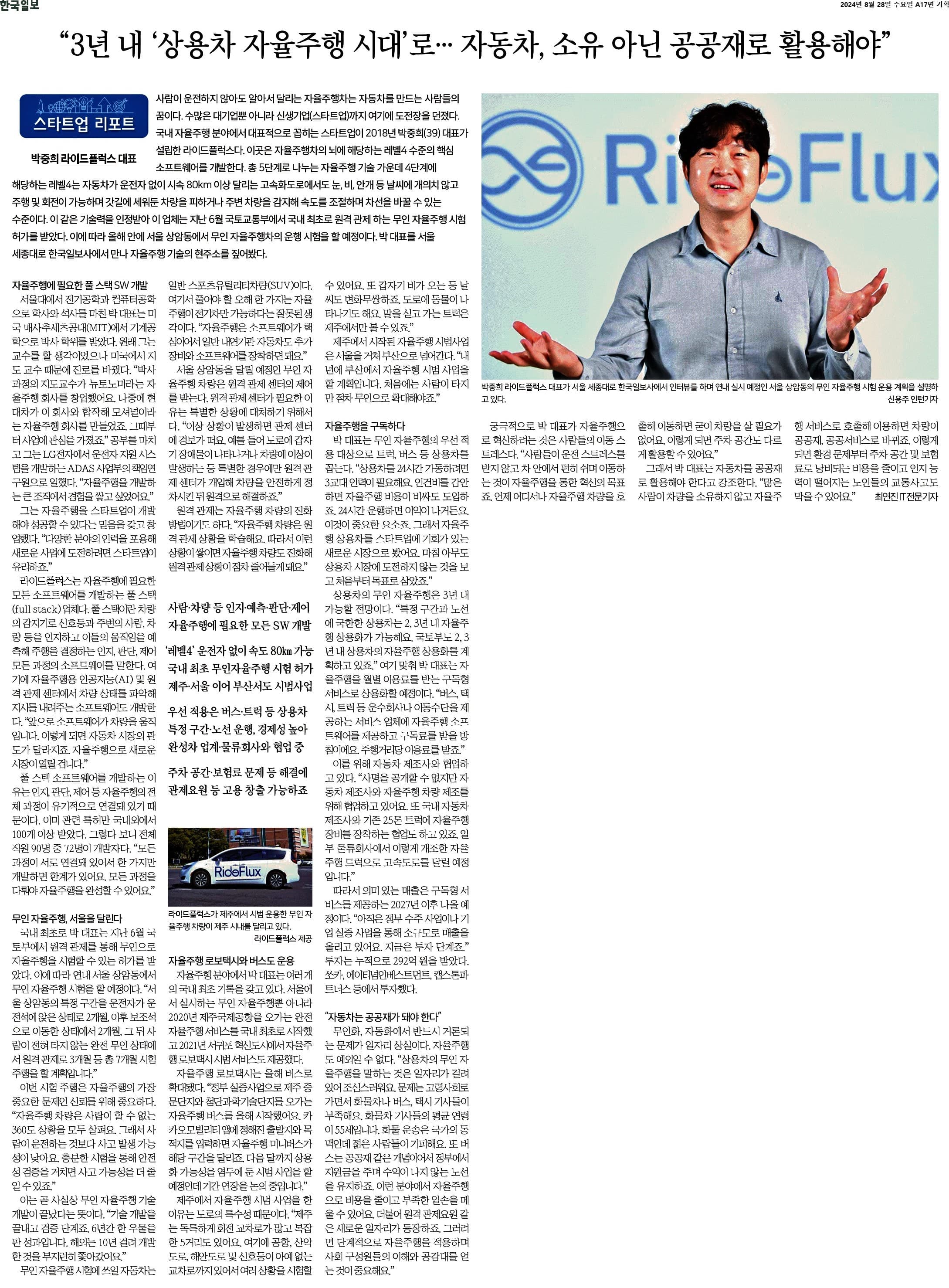
RideFlux has developed core autonomous driving technologies in-house and accumulated extensive real-world driving experience as it advances toward commercialization across both passenger mobility and logistics.
LinkUp positioned RideFlux not simply as an autonomous driving pilot company, but as an autonomous AI company with technology proven for safety and scalability on real roads.
Challenge
RideFlux’s biggest challenge was translating its highly sophisticated technology into a clear, compelling message that could be understood by the broader public and industry stakeholders.
Autonomous driving relies on multiple technologies working together, including perception, localization, prediction, planning, control, and remote operations. Simply listing these capabilities made it difficult to communicate RideFlux’s differentiation. At the same time, focusing too heavily on service applications risked overshadowing its proprietary software and in-house technology capabilities, making the company appear more like an autonomous mobility operator than a technology company.
Above all, safety is a critical concern in autonomous driving. RideFlux needed to continuously demonstrate how its technology responds to unexpected road conditions and severe weather, and maintains safety in vehicles operating without a human driver. The challenge was to prove this through real-world performance—not simply claims of speed or convenience.
Translate complex full-stack autonomous driving technology into accessible messaging
Highlight the difference between one-off demonstrations and technology proven on real roads
Unify RideFlux’s identity as both a technology developer and mobility service company
Establish safety and trust as core elements of the brand
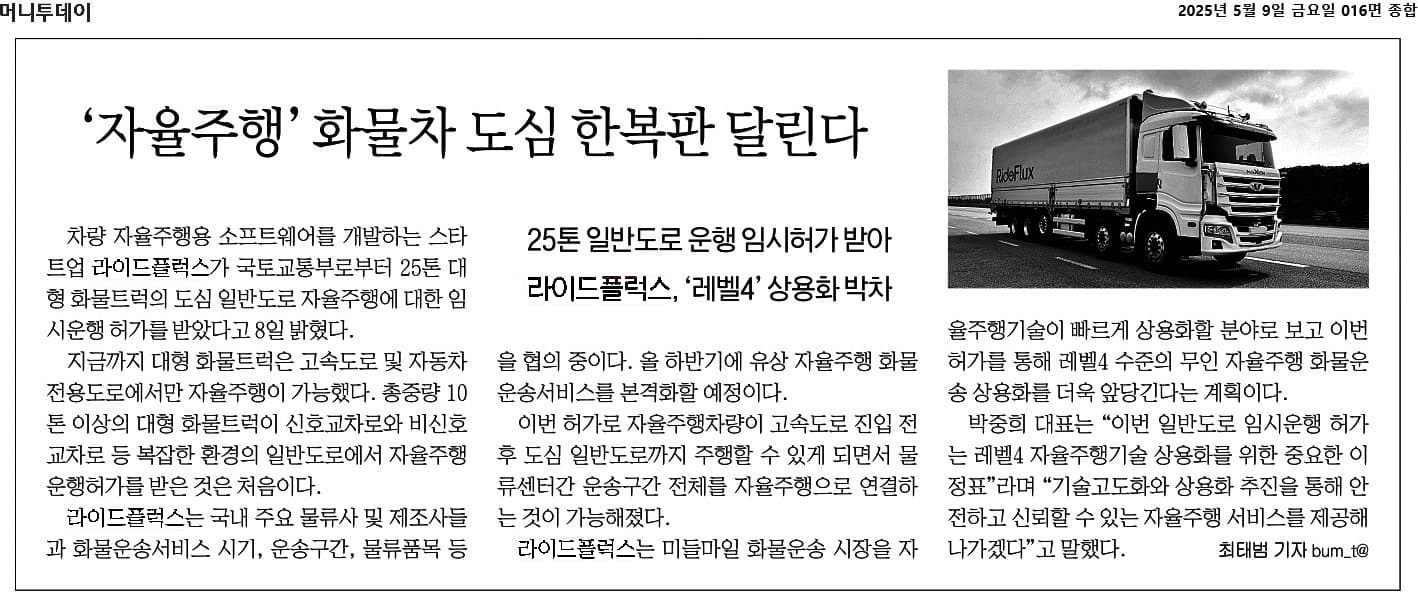
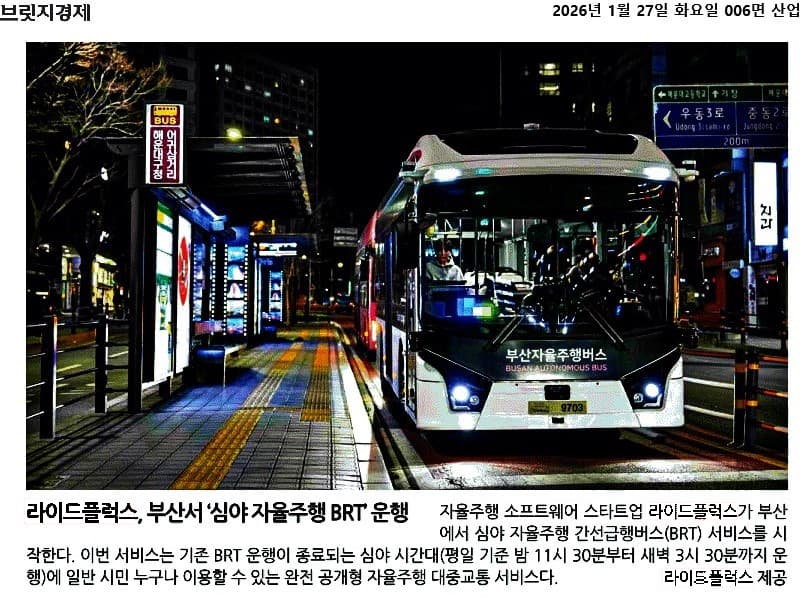
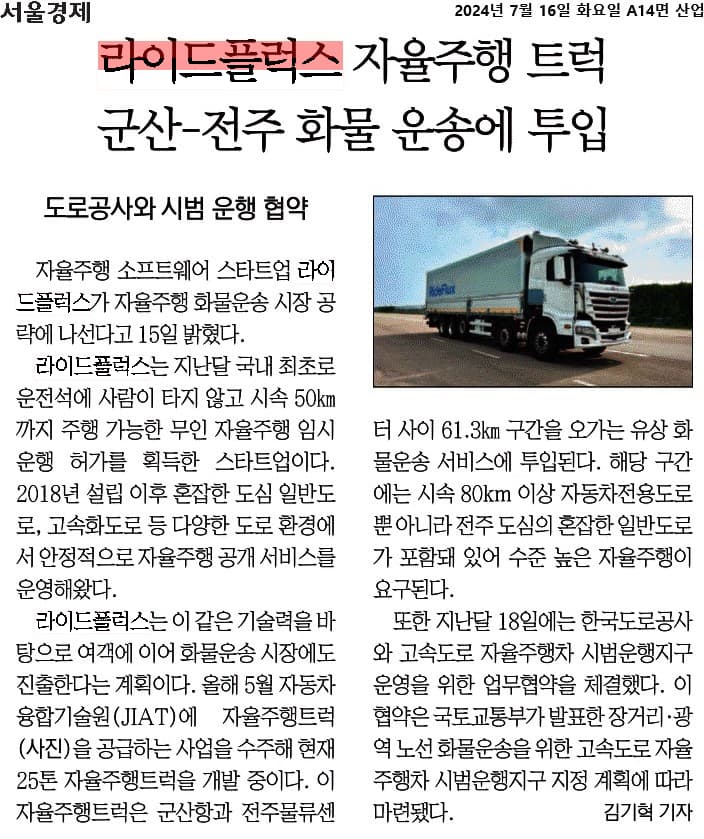
Consistently communicate the business potential across robotaxis, autonomous trucks, buses, and shuttles
Strategy
LinkUp defined RideFlux around its autonomous driving AI software and real-world operating capabilities, rather than any single vehicle or service.
- 1.
Making the Technology Accessible Through the “AI Driver” Concept
We simplified complex technical terminology and framed RideFlux’s core capability as an “AI driver” that can make decisions and drive autonomously on real roads, clearly positioning the company as a core technology provider for autonomous driving.
- 2.
From Validation to Commercialization
We connected RideFlux’s progression from supervised test operations to driverless autonomous driving, and from passenger mobility to logistics, into a single growth story.
- Connected validation, regulatory approvals, driverless operation, and paid services as stages toward commercialization
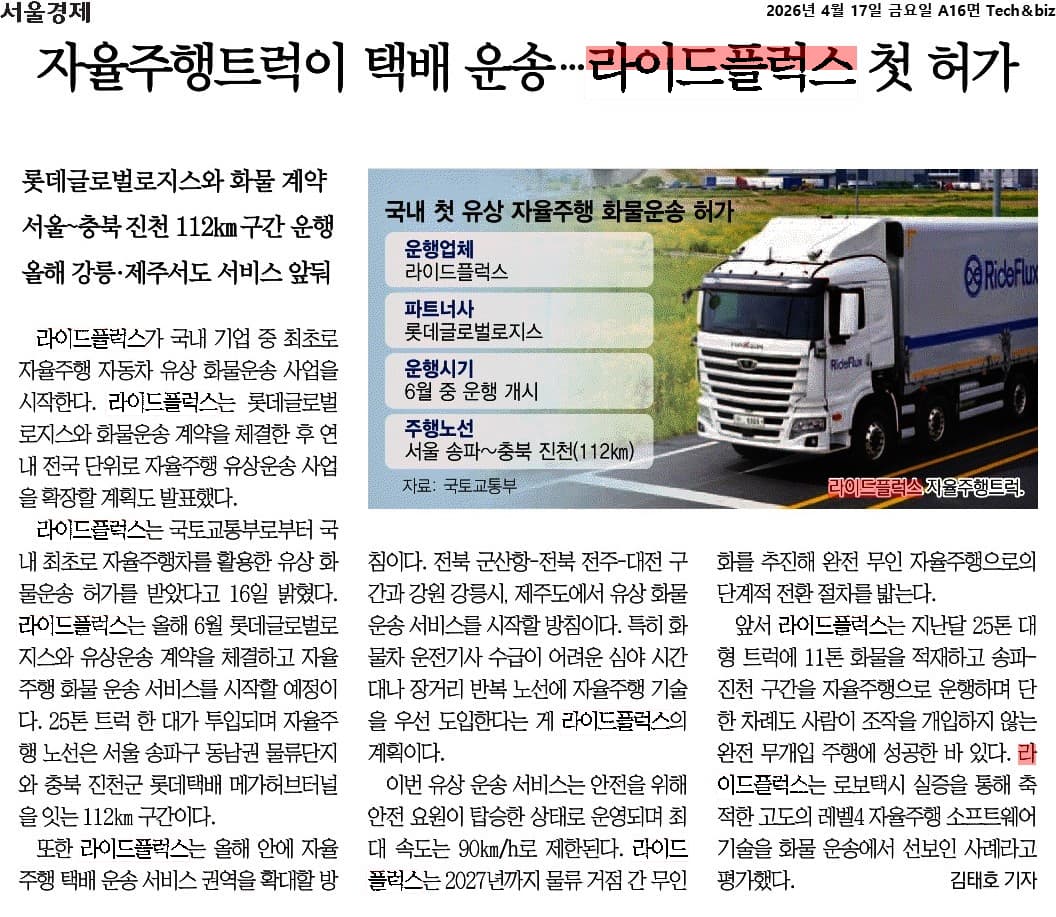
- Positioned robotaxis and autonomous trucks as extensions of the same autonomous driving technology
- 3.
Real-World Driving Data as Proof
We used data accumulated from real-world road operations as evidence of RideFlux’s technical capabilities and reliability, consistently reinforcing its identity as an autonomous AI company rather than focusing on individual projects.
- 4.
Reframing Autonomous Driving as a Solution to Real-World Problems
We positioned autonomous driving not as a futuristic technology, but as an industrial solution to real-world challenges such as driver shortages, logistics efficiency, and mobility access, highlighting its business value alongside its technological potential.
Key Achievements
RideFlux strengthened its position beyond that of an autonomous driving technology startup, establishing itself as an autonomous AI company demonstrating safety, scalability, and commercial potential on real roads.
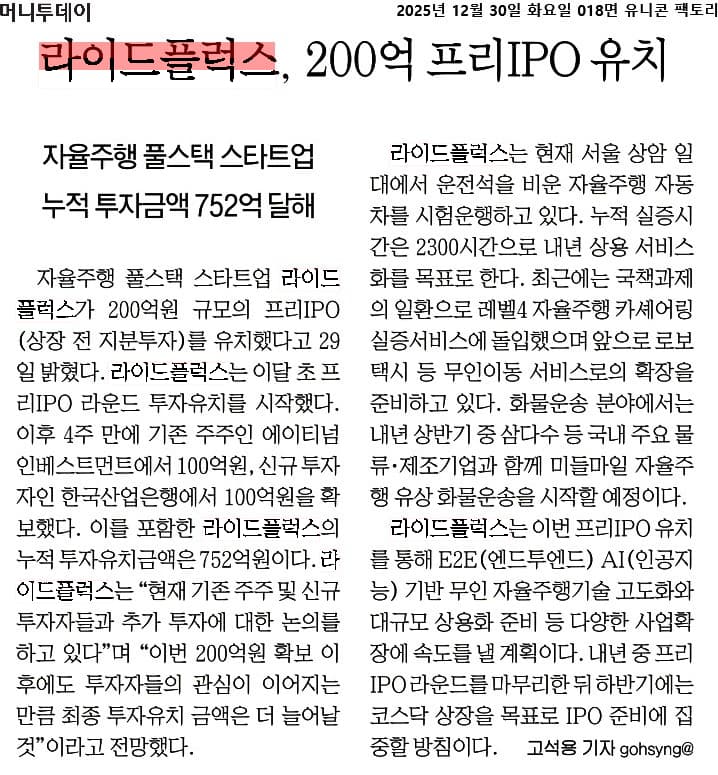
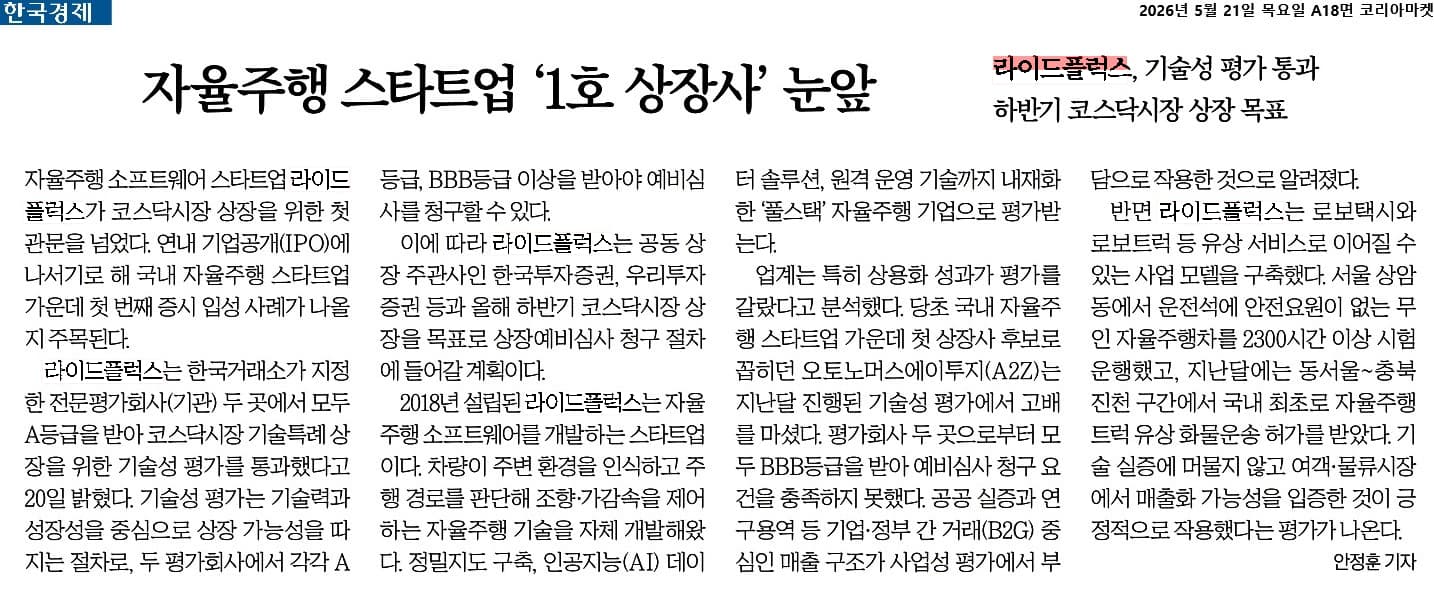
According to RideFlux’s official website, the company has accumulated 21,000+ hours of autonomous driving, filed 138 patents in Korea and overseas, and raised KRW 88.2 billion in funding. In 2026, RideFlux also received A ratings from both evaluation agencies in the technology assessment required for a KOSDAQ technology-based listing, reinforcing recognition of its technology and growth potential.
The core achievement was shifting the brand narrative from an autonomous driving company focused on future potential to one that demonstrates the real-world viability of its technology through driving data, regulatory approvals, safety validation, and paid services.
Expanding Corporate Identity
Expanded perception beyond individual vehicles and services to establish RideFlux as an autonomous driving AI software company.
Unifying Core Capabilities
Integrated full-stack technology and real-world driving experience into a single competitive narrative.
Building Trust Through Safety Validation
Made safety validation and data-driven learning a central part of the brand’s credibility.
Highlighting Business Scalability
Demonstrated the potential to expand across robotaxis, autonomous trucks, buses, and shuttles.
Moving from Validation to Commercialization
Connected autonomous driving validation to tangible business applications, including paid logistics services.
Defining a Global Growth Path
Positioned RideFlux as a Physical AI company with ambitions beyond Korea and toward global markets.